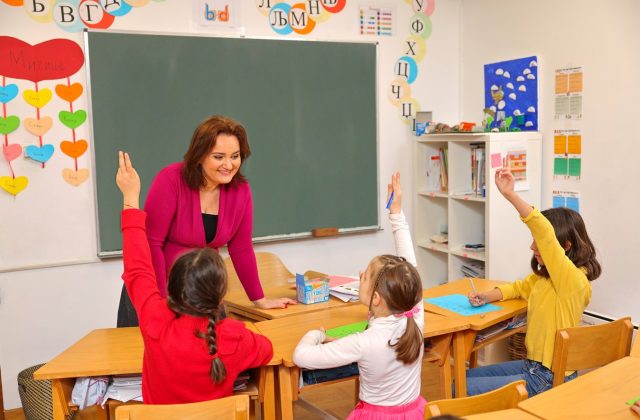
Mnogi roditelji u dijaspori prepoznaju isti izazov: dete razume srpski, ali kad treba da progovori — pređe na engleski, nemački ili francuski. To je sasvim normalno. Jezik koji dete čuje svuda oko sebe prirodno postaje “jači”. Dobra vest je da se govorna navika gradi malim, svakodnevnim koracima — bez pritiska.
1. Napravite male svakodnevne rituale
Deci je lakše da govore kada je jezik vezan za konkretan trenutak u danu. Neka srpski bude jezik doručka, večernje priče ili puta do škole. Doslednost je važnija od dužine — pet minuta svaki dan vredi više od jednog dugog razgovora nedeljno.
2. Neka srpski bude jezik igre
Kada je jezik povezan sa zabavom, otpor nestaje. Pevajte pesme, igrajte „pogodi reč“, gledajte crtaće na srpskom ili kuvajte zajedno uz recept na srpskom. Dete tada ne “uči” — ono živi jezik.
Birajte teme koje dete već voli — fudbal, životinje, crtaći.
Postavljajte otvorena pitanja umesto onih sa „da/ne“ odgovorom.
Dozvolite mešanje jezika na početku — važno je da dete govori.
„Deca ne uče jezik da bi ga znala — uče ga da bi se povezala s ljudima koje vole.“
3. Povežite jezik sa porodicom
Najjači motiv je emotivni. Redovni video pozivi sa bakom i dekom, glasovne poruke rođacima ili priče o detinjstvu roditelja daju jeziku svrhu. Kada dete shvati da mu srpski otvara vrata ka voljenim ljudima, govor dolazi sam.
4. Hvalite trud, ne savršenstvo
Ispravljanje svake greške obeshrabruje. Umesto toga, ponovite rečenicu tačno i nastavite razgovor — dete čuje ispravan oblik bez osećaja neuspeha. Pohvala za trud gradi samopouzdanje, a samopouzdanje gradi govornika.
I najvažnije: budite strpljivi. Dvojezičnost je maraton, ne sprint. Svaka reč na srpskom je pobeda — i temelj koji ostaje za ceo život.
Many diaspora parents recognise the same challenge: a child understands Serbian, but when it’s time to speak, they switch to English, German or French. That’s completely normal — the language a child hears all around naturally becomes the “stronger” one. The good news: the habit of speaking is built in small, daily steps, without pressure.
1. Create small daily rituals
Children find it easier to speak when the language is tied to a specific moment in the day. Let Serbian be the language of breakfast, the bedtime story or the ride to school. Consistency matters more than length — five minutes every day beats one long talk a week.
2. Make Serbian the language of play
When language is linked to fun, resistance disappears. Sing songs, play “guess the word”, watch cartoons in Serbian or cook together from a Serbian recipe. The child isn’t “studying” then — they’re living the language.
Choose topics the child already loves — football, animals, cartoons.
Ask open questions instead of yes/no ones.
Allow mixing languages at first — what matters is that the child speaks.
“Children don’t learn a language to know it — they learn it to connect with the people they love.”
3. Connect the language to family
The strongest motive is emotional. Regular video calls with grandparents, voice messages to relatives, or stories about the parents’ own childhood give the language a purpose. When a child realises Serbian opens doors to loved ones, speech comes on its own.
4. Praise effort, not perfection
Correcting every mistake discourages. Instead, repeat the sentence correctly and carry on — the child hears the right form without feeling like a failure. Praise for effort builds confidence, and confidence builds a speaker.
And most important: be patient. Bilingualism is a marathon, not a sprint. Every word in Serbian is a victory — and a foundation that lasts a lifetime.