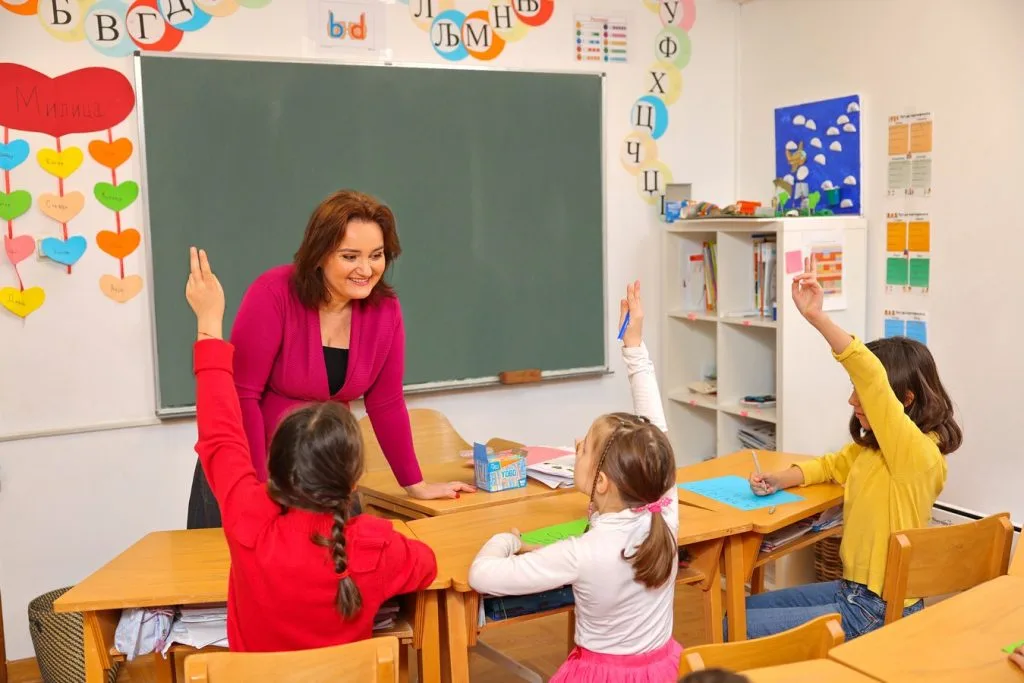
Ćirilica često deluje kao najteži deo učenja srpskog za decu koja odrastaju u zemljama latiničnog pisma. Ali uz pravi pristup, ona postaje igra koju deca jedva čekaju. Ključ je u tome da slovo ne bude zadatak, već otkriće.
Počnite od slova koja dete već poznaje
Mnoga ćirilična slova izgledaju isto kao latinična — A, E, O, K, M, T. Počnite od njih da dete odmah oseća uspeh, pa tek onda uvodite “nova” slova poput Б, Д, Ж i Ш. Taj rani osećaj „ja to umem“ menja ceo doživljaj.
Igre koje zaista pomažu
Lov na slova: tražite ćirilična slova u kući, na pakovanjima, u knjigama.
Slova od testa ili plastelina: oblikovanje rukama pomaže pamćenje.
Memori sa parovima: ćirilica i latinica istog slova kao par.
Pisanje imena: svoje ime na ćirilici dete želi da nauči prvo.
„Dete ne pamti slovo zato što ga ponavlja — pamti ga zato što je s njim nešto doživelo.“
Kratko, ali često
Deset minuta dnevno daje bolje rezultate od sat vremena jednom nedeljno. Dečiji mozak najbolje uči u kratkim, redovnim intervalima, posebno kada se završavaju osećajem uspeha. Zato svaku vežbu završite nečim što dete već zna.
Strpljenje i pohvala
Mešanje slova na početku je normalno — to nije greška, već deo procesa. Vaša smirena podrška i iskrena pohvala vrede više od bilo koje vežke. U našim grupama deca ćirilicu savlađuju kroz igru, pesmu i druženje — i ponose se svakim novim slovom.
Cyrillic often seems like the hardest part of learning Serbian for children growing up in Latin-script countries. But with the right approach, it becomes a game they can’t wait to play. The key is that a letter shouldn’t be a task, but a discovery.
Start with letters the child already knows
Many Cyrillic letters look the same as Latin ones — A, E, O, K, M, T. Start with these so the child feels success immediately, and only then introduce “new” letters like Б, Д, Ж and Ш. That early “I can do this” feeling changes the whole experience.
Games that really help
Letter hunt: look for Cyrillic letters at home, on packaging, in books.
Letters from dough or clay: shaping by hand aids memory.
Memory pairs: the Cyrillic and Latin form of the same letter as a pair.
Writing names: a child wants to learn their own name in Cyrillic first.
“A child doesn’t remember a letter because they repeat it — they remember it because they experienced something with it.”
Short, but frequent
Ten minutes a day gives better results than an hour once a week. A child’s brain learns best in short, regular intervals, especially when they end with a sense of success. So finish every exercise with something the child already knows.
Patience and praise
Mixing up letters at the start is normal — it’s not a mistake, but part of the process. Your calm support and sincere praise are worth more than any worksheet. In our groups, children master Cyrillic through play, song and friendship — and take pride in every new letter.